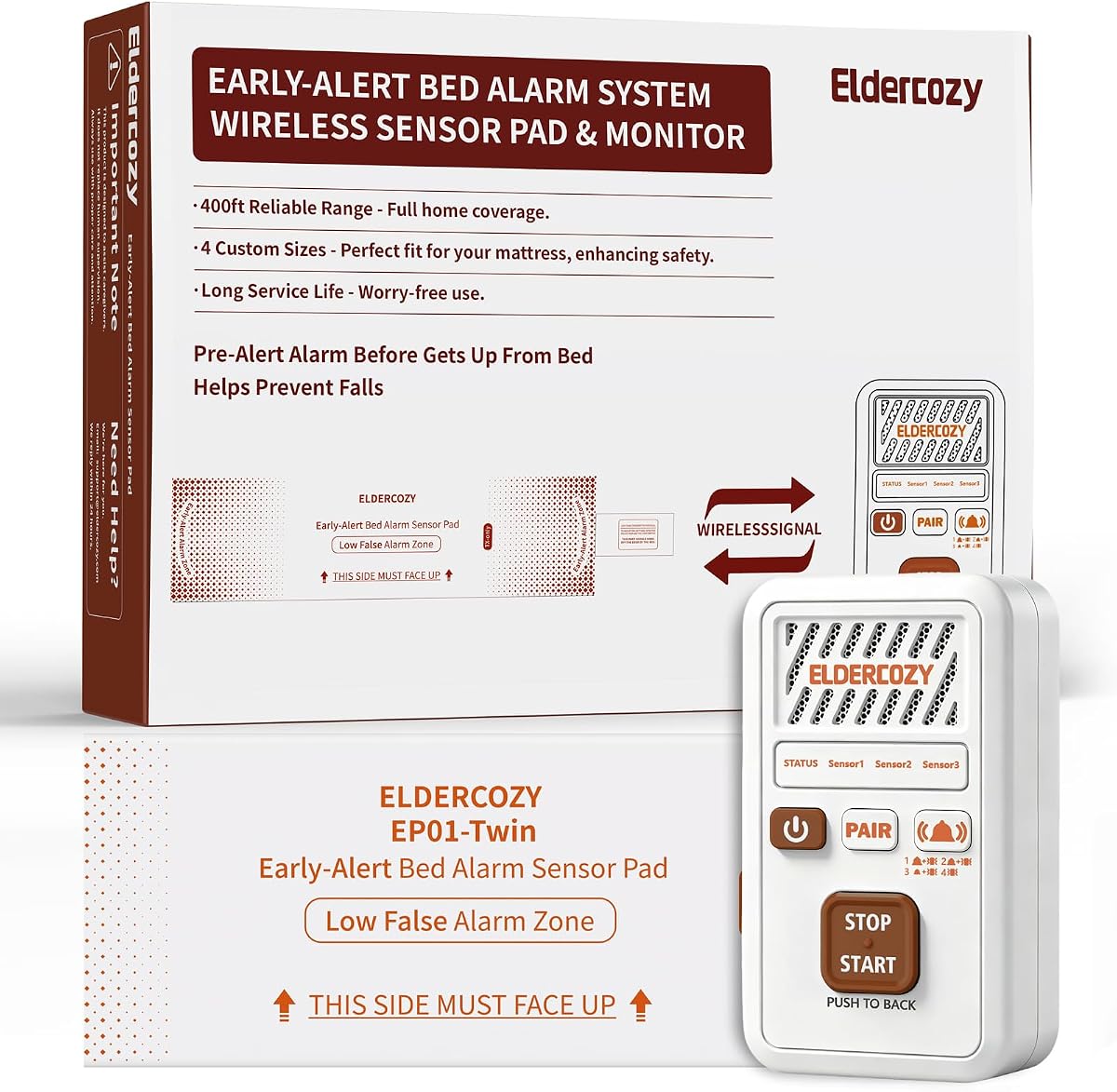
Twin Size Wireless Bed Alarms for Elderly Dementia Patients
4.8Editor score
Comfortable TPU material for sleep
Hip-level alert before standing up
Replaceable batteries for long use
Ensuring the safety of elderly loved ones requires reliable monitoring tools. A bed alarm for elderly and dementia patients helps caregivers respond quickly when someone attempts to leave bed. This guide reviews the best options available to reduce fall risks and provide peace of mind.
We evaluated ten top-rated products based on sensor accuracy, alert range, and ease of use. Each option offers unique features like vibration alerts or waterproof pads. Our analysis highlights which systems work best for different home care needs and patient mobility levels.
Every pick includes detailed specs and real-world performance insights for caregivers. You will find recommendations for budget picks, premium systems, and versatile sensors. Please note that product availability and pricing can change frequently online.
4.8Editor score
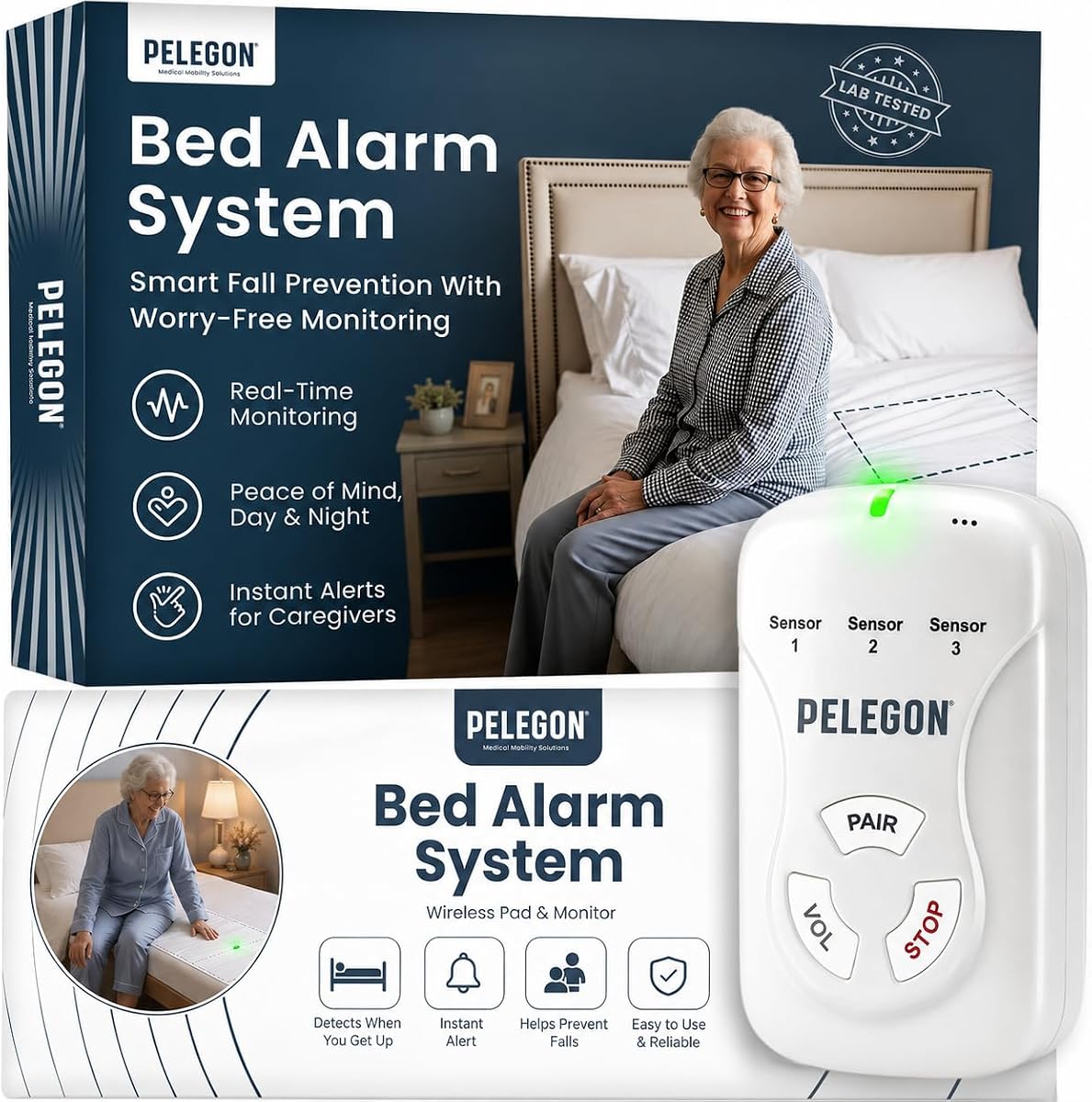
4.7Editor score

4.5Editor score
As an Amazon Associate we earn from qualifying purchases.
This side-by-side comparison highlights the key specifications of all ten products reviewed. You can quickly see differences in sensor type, range, and alert modes to find the right fit for your care needs.

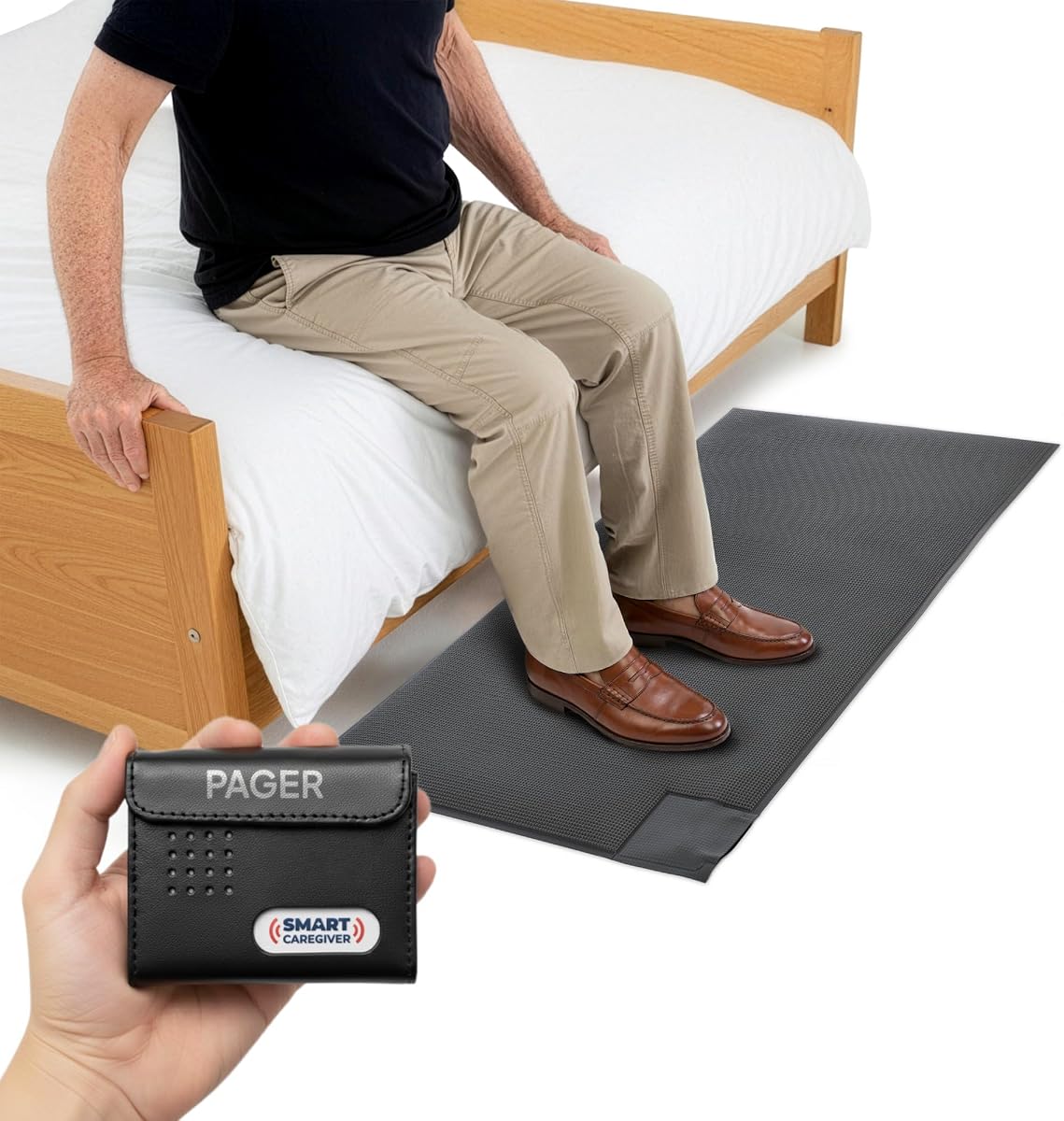


This system offers a comprehensive solution for caregivers monitoring elderly patients. With a 4.7 star rating, it stands out for its fast response alert system that detects movement before a fall occurs.
We may earn a commission when you buy through this link, at no additional cost to you.
The wireless pager reaches up to 328 feet, giving you confidence to monitor from another room. Customizable alert modes include sound or vibration, ensuring you are notified without disturbing the patient unnecessarily.
While the setup is tool-free and quick, the pager relies on a belt clip which might be slightly cumbersome for some. However, the reliability of the sensor pad makes up for this minor inconvenience.
Ideal for households needing reliable fall prevention, this alarm balances ease of use with effective safety features. It is a top choice for daily care environments.
The alert helps caregivers respond sooner to reduce unsafe wandering and nighttime accidents effectively.
Choose sound alerts, adjust volume, or use vibration-only mode for quiet monitoring in shared rooms.
We may earn a commission when you buy through this link, at no additional cost to you.
This bed alarm focuses on reliable pressure detection to ensure safety. It alarms when pressure is removed from the pad, giving you immediate knowledge of patient movement.
We may earn a commission when you buy through this link, at no additional cost to you.
The soft vinyl sensor pad is sealed for incontinence protection, making it easy to clean and durable for daily use. You can mount the unit on a wall or bed for accessibility.
A potential downside is that the wireless add-on kit is sold separately. However, the in-room alarm offers an extra layer of safety for those staying close by.
Best for caregivers who prefer a simple, robust system without complex setups, this option provides consistent monitoring for daily care routines.
Includes a 10×30 inch soft vinyl sensor pad with foam interior sealed for incontinence protection.
Optional wireless add-on kit sends alerts directly to the caregiver to avoid startling the patient.
We may earn a commission when you buy through this link, at no additional cost to you.
Rated 4.8 stars, this system prioritizes comfort and early detection. Unlike traditional pads, it alerts when the loved one sits on the edge of the bed before standing.
We may earn a commission when you buy through this link, at no additional cost to you.
The TPU composite material ensures uninterrupted sleep with no crinkling noise. Waterproof and customizable in size, it fits twin to king mattresses perfectly for any household.
While the price is higher, the replaceable batteries and caregiver mode justify the investment. Caregiver mode allows you to pause alerts temporarily while assisting without false alarms.
Top recommendation for those seeking premium comfort and reliability, this alarm maintains dignity while ensuring faster response times for care needs.
Crafted from soft, skin-friendly TPU composite that never crunches when they roll over.
Temporarily pauses the bed exit alarm for 20 minutes so you can assist without triggering false alarms.
We may earn a commission when you buy through this link, at no additional cost to you.
This motion sensor places the detection point on the floor under the bed, reducing false alarms from patient movements. It detects when feet touch the ground before a full fall occurs.
We may earn a commission when you buy through this link, at no additional cost to you.
With a massive 918 feet range in open areas, it works in large homes. It offers both LED light and sound alerts, plus a dual power supply for convenience.
The sensor requires careful placement to avoid false triggers. However, the high range and flexible power options make it an excellent budget choice for many.
A great value option for home monitoring, this sensor provides reliable alerts without the cost of premium bed pads or wireless systems.
Unlike traditional pads, the motion sensor can be placed on the floor to detect when a patient touches the ground.
Includes dual reminder light and sound, and dual power supply with alkaline battery or Micro USB.
We may earn a commission when you buy through this link, at no additional cost to you.
Designed for fall prevention, this floor mat alerts caregivers when patients step on it. It is ideal for placement next to the bed or by exit doors.
We may earn a commission when you buy through this link, at no additional cost to you.
The wireless caregiver pager allows monitoring up to 300 feet away. You can choose audible alerts or vibration to avoid startling the patient.
While it requires AA batteries which are not included, the system ensures freedom to take care of other tasks. The durable mat is built for long-term use.
A solid choice for preventing wandering and falls at exits, this system extends protection beyond the bed to the entire room.
Place by the door to alert you if the patient is wandering towards an exit.
The wireless caregiver pager can be carried by the caregiver or placed in a convenient location.
We may earn a commission when you buy through this link, at no additional cost to you.
This bed exit alarm features a soft pad that alerts caregivers when pressure is removed. It is engineered to reduce false alarms with an extra-large contact sensor.
We may earn a commission when you buy through this link, at no additional cost to you.
The included pager supports up to six different sensors, allowing for comprehensive monitoring. It offers both vibrate and sound alert options for convenience.
While it may have a higher price point, the reliability and expandability make it worth it. The USA-based customer support team adds value to the purchase.
Best for complex care needs requiring multiple sensors, this system offers robust fall prevention and excellent customer service.
The pager supports up to six different Smart Caregiver sensors for complete fall prevention coverage.
Engineered to reduce false alarms with an extra-large contact sensor placed under shoulders.
We may earn a commission when you buy through this link, at no additional cost to you.
This portable system detects movement before a patient is fully standing. The sensor supports 360-degree rotation to prevent false alarms from incontinence or restless sleep.
We may earn a commission when you buy through this link, at no additional cost to you.
The receiver offers 18 ringtones and 5 volume levels for customization. It is lightweight and portable with a Type-C charging port for the receiver.
Infrared sensor design makes it less likely to trigger from bed movements. This is ideal for restless sleepers where traditional pads fail.
Recommended for households needing flexible and portable monitoring, this alarm provides reliable safety without constant false alerts.
When not monitoring, simply turn off the receiver or switch to silent or vibrate mode to suit your needs.
Sensor supports 360 degree rotation to prevent false alarms from minor movements.
We may earn a commission when you buy through this link, at no additional cost to you.
With a range of up to 918 feet in open areas, this motion sensor ensures reliable signal transmission. It factory pairs for immediate use upon loading batteries.
We may earn a commission when you buy through this link, at no additional cost to you.
The receiver offers four alert modes including sound plus light flashing. It can be powered by battery or Micro USB to avoid socket usage.
Setup requires testing the sensing range before fixing. However, the durability test passed quality assurance and the range is impressive for large homes.
A high-performance option for wide spaces, this system offers professional-grade monitoring with flexible power options for caregivers.
The motion sensor and receiver are factory paired and ready to use by simply loading the batteries.
Switch modes continuously pressing M button: sound plus light, light, LED, or alarm.
We may earn a commission when you buy through this link, at no additional cost to you.
This system includes both bed and chair sensor pads for versatile monitoring. It alerts caregivers when attempts to get out of bed or chair occur.
We may earn a commission when you buy through this link, at no additional cost to you.
The monitor uses a phone-style clip to switch between the bed and chair pad. You can place the monitor on the headboard or chair back.
While the chair pad is smaller, it provides reliable alerts for seated patients. The durable vinyl pads are sealed for incontinence protection.
Best for patients who also spend time in chairs, this dual-pad system offers comprehensive monitoring for all sitting positions.
Includes 10×30 inch bed pad and 10×15 inch chair pad for comprehensive monitoring.
The phone-style clip makes it easy to switch between using the bed and chair pad with your monitor.
We may earn a commission when you buy through this link, at no additional cost to you.
This simple system uses a large motion sensor pad to monitor patient movements. It triggers an immediate alarm when the patient attempts to leave the bed.
We may earn a commission when you buy through this link, at no additional cost to you.
The durable design is latex-free, tear-resistant, and easy to clean. A wireless pager offers customizable alerts with a range up to 300 feet.
While the rating is slightly lower, it remains a versatile option for various care settings. Installation is easy with secure clips under fitted sheets.
A straightforward choice for basic needs, this alarm provides essential fall prevention for home, hospital, or rehabilitation centers.
Easy installation with secure clips under fitted sheets and a lightweight portable pager.
Constructured from latex-free, tear-and-water resistant materials, incontinence resistant and simple to wipe clean.
We may earn a commission when you buy through this link, at no additional cost to you.
Selecting the right alarm involves understanding sensor types, alert ranges, and comfort features. This guide breaks down key factors to simplify your decision.
Choose between bed pads, motion sensors, or floor mats. Bed pads detect pressure removal while motion sensors detect movement. Pick one that minimizes false alarms for your needs.
Ensure the wireless range covers your home layout. Ranges vary from 300 to over 900 feet. A wider range allows you to monitor from distant rooms.
Consider sound, vibration, or light alerts. Vibration modes are ideal for shared rooms. Customizable volume ensures you hear the alarm without startling the patient.
Look for tool-free setup and clear manuals. Systems with simple clips or adhesives save time. Avoid complex installations that require professional help.
Soft pads improve sleep quality. Waterproof or sealed pads are crucial for hygiene. Comfortable materials prevent skin irritation for the patient.
Check battery requirements for pager and sensors. Replaceable batteries are cheaper long-term. Ensure you have easy access to replacement units.
Select brands with dedicated support lines. Reliable companies offer warranties and troubleshooting. This ensures you have help if issues arise.
Consider if you need chair alerts. Some systems allow multiple sensors. This expands monitoring beyond the bed to prevent falls elsewhere.
Place the sensor pad under the fitted sheet as instructed. Ensure it is secure and connected properly to the monitor. Test the system before using it overnight.
Regularly check battery levels and replace them as needed. Wipe the sensor pads with a damp cloth to maintain hygiene. Avoid using harsh chemicals that might damage the material.
Adjust volume or vibration settings based on daily needs. Reset the alarm after each use to keep it active. Keep the manual nearby for quick reference on features.
Bed alarms use pressure or motion sensors to detect movement. When a patient shifts or stands, the sensor triggers a wireless signal. The caregiver receives an alert on a pager or monitor.
Yes, many of these systems are designed for home and hospital use. Check the product description for hospital suitability. They often meet safety standards for care facilities.
Ranges typically vary from 300 feet to over 900 feet. Open areas allow for maximum range. Walls and obstacles may reduce signal strength slightly.
Yes, they are ideal for dementia care. They detect wandering attempts early. Vibration alerts avoid startling patients and keep them calm.
Replace batteries every few months based on usage. Some systems have low battery indicators. Always keep spare batteries on hand for emergencies.
Most modern sensors are designed to reduce false alarms. Proper placement under the sheet is key. Infrared sensors are less likely to trigger from minor movements.
Yes, they work 24/7. You can adjust settings for day or night modes. Some allow silent monitoring if noise is a concern.
No, most do not require a subscription. They use local wireless signals. Just ensure you have a power source or batteries.
This guide reviewed ten top-rated bed alarms. The PELEGON and Twin Size Wireless systems lead in comfort and range. Each offers unique features to suit different care needs.
Prioritize sensor type and comfort when choosing. Ensure the range covers your space and alert modes fit your lifestyle. Regular maintenance is key for reliability.
Remember that prices and availability change. Check current listings before buying to get the best deal. Safety is paramount and investing in quality helps.