
Behringer Super-X Pro Cx3400 High-Precision Stereo 2-Way/3-Way/Mono 4-Way Crossover With Limiters
3.9Editor score
24dB/oct Linkwitz-Riley
Limiters per output
Subsonic filter per input
This guide compares the top audiophile active crossover options for high-fidelity audio systems, detailing features, performance, and suitability for various
Selecting the right audiophile active crossover is essential for high-fidelity audio systems. These devices split audio signals into distinct frequency bands, ensuring each driver receives only the frequencies it can reproduce accurately. This precise division reduces distortion and enhances clarity across the entire listening range.
We evaluated ten top-rated active crossovers based on technical specifications, build quality, and user feedback. Our comparison focuses on features like filter slopes, input/output types, and adjustable frequency ranges. Each product offers unique benefits for home audio, car systems, or professional installations.
Each review highlights key strengths and potential limitations to help you make an informed decision. While prices may fluctuate over time, the core features and performance characteristics remain consistent. Use this guide to find the ideal crossover for your specific audio requirements and budget constraints.
3.9Editor score

5.0Editor score

4.5Editor score
The following table provides a side-by-side comparison of all ten featured products. It highlights essential specifications and features to help you quickly identify the model that best matches your audio system requirements and technical needs.





The Marchand XM66 stands out as a premier choice for audiophiles seeking an all-analog signal path. Its 5.0 rating reflects exceptional performance and build quality among discerning users. This unit combines traditional analog precision with modern convenience through its digital frequency display.
We may earn a commission when you buy through this link, at no additional cost to you.
Its fully analog processing ensures minimal coloration of your source material, preserving the integrity of your recordings. The 24dB/octave crossover slopes provide steep filtering that prevents driver overlap effectively. RCA inputs and outputs simplify connectivity for most home stereo setups.
While the price is higher than basic models, the craftsmanship justifies the investment for critical listening. The 5-day lead time means immediate availability isn't guaranteed, but the custom US manufacturing ensures quality control. This is a niche product for those prioritizing sonic purity above all else.
Buy this if you demand the highest fidelity from your speaker system. It suits serious listeners who appreciate analog circuitry and want exact visual confirmation of crossover settings. The XM66 delivers unmatched clarity and control for two-way speaker configurations.
Fully analog processing avoids digital artifacts that can color sound. This ensures your music remains true to the original recording without unintended alterations.
The digital display shows exact crossover frequencies for accurate tuning. This eliminates guesswork and allows for precise adjustments to match your specific speaker setup.
We may earn a commission when you buy through this link, at no additional cost to you.
This professional crossover offers exceptional flexibility for various audio applications. It supports 2/3-way stereo and 4-way mono configurations making it suitable for both studio monitors and PA systems. The 4.3 rating indicates reliable performance across demanding environments.
We may earn a commission when you buy through this link, at no additional cost to you.
Balanced XLR inputs and outputs ensure clean signal transfer over long cable runs. Independent gain and phase controls allow precise tuning for each frequency band. This level of control helps resolve polarity issues and optimize sound distribution throughout a venue.
The rugged chassis withstands touring and installation stress. However, the complexity may overwhelm users new to audio signal processing. Setup requires understanding of bandpass filtering and phase relationships for optimal results.
Ideal for live sound engineers or installed audio systems. It provides robust control over frequency distribution. Use this unit to achieve clean balanced sound across complex multi-driver speaker arrays.
XLR I/O rejects noise over long distances. This ensures your audio signal remains pristine even in electrically noisy environments like stages or large venues.
Separate gain and phase adjustments per band. This allows you to fine-tune each driver's output independently for perfect system integration.
We may earn a commission when you buy through this link, at no additional cost to you.
This crossover delivers solid performance for PA systems and installed audio. The 4.4 rating highlights its reliability for general sound reinforcement tasks. It handles three operation modes to accommodate different speaker configurations easily.
We may earn a commission when you buy through this link, at no additional cost to you.
A dedicated 40Hz low-cut filter protects subwoofers from infrasonic damage. The front-panel LED matrix clearly shows active modes for quick verification. Separate output gain controls help balance levels between frequency bands effectively.
While not designed for critical audiophile listening, it excels in durability and ease of use. The rugged build handles transport stress. However, tuning precision is lower compared to high-end studio models.
Best for DJs or event sound setups. It simplifies speaker routing for complex systems. Choose this to gain greater control over sound distribution in a professional entertainment environment.
The low-cut filter prevents damaging frequencies from reaching subwoofers. This extends the lifespan of your low-frequency drivers significantly during heavy use.
LED indicators show active modes instantly. This visual feedback simplifies setup and troubleshooting during fast-paced live events or installations.
We may earn a commission when you buy through this link, at no additional cost to you.
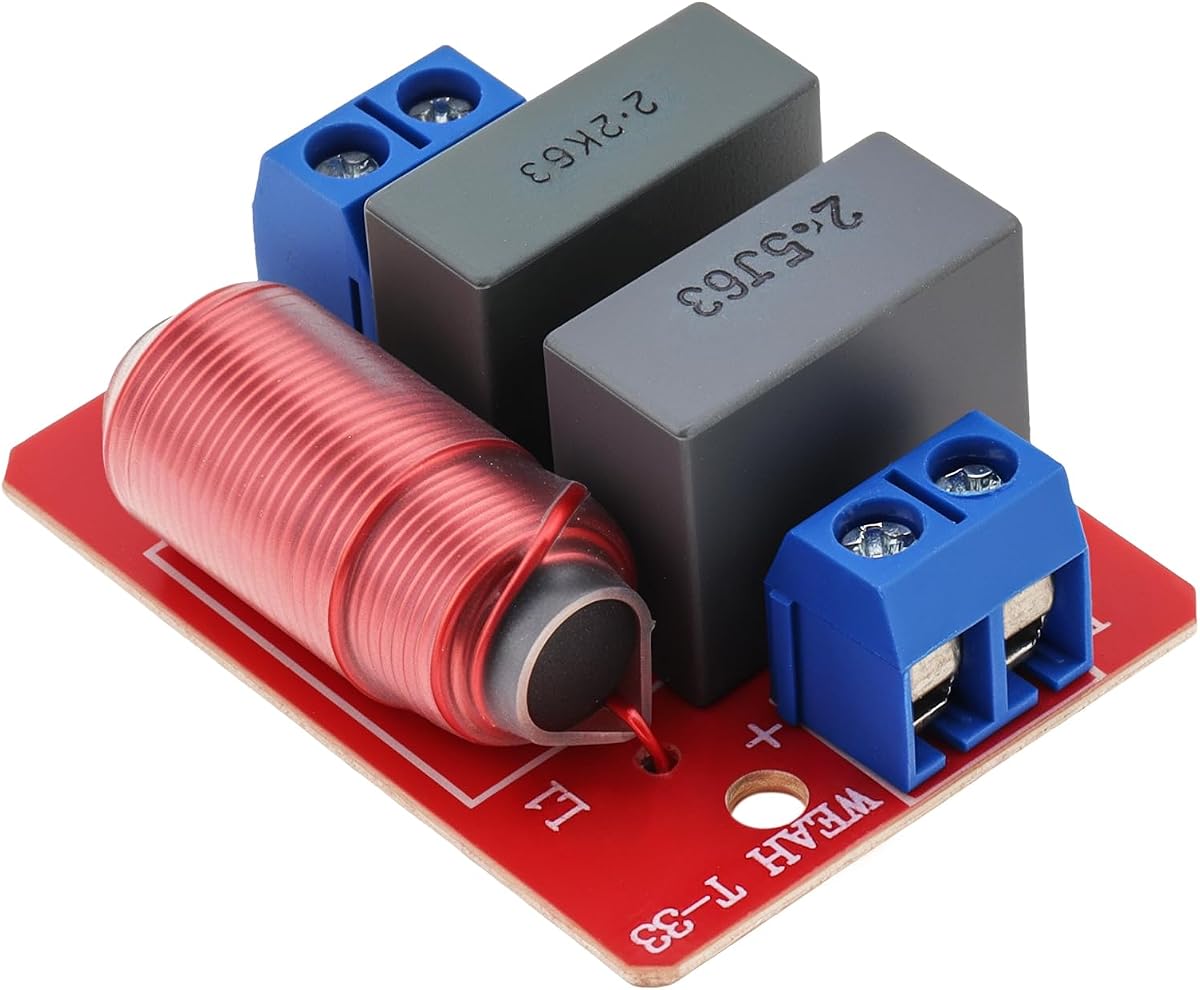
This passive crossover focuses specifically on protecting tweeters and refining high frequencies. Its 5.0 rating reflects high user satisfaction for simple upgrades. The design isolates treble frequencies effectively to prevent distortion in the upper register.
We may earn a commission when you buy through this link, at no additional cost to you.
Premium capacitors ensure smooth high-frequency roll-off without harshness. Heavy-duty inductors minimize signal loss while maintaining signal integrity. Flame retardant PCBs with thick copper traces enhance durability and safety.
Pre wired leads and screw connectors make installation simple without technical skills. It fits car A pillars or home speakers easily. This unit is ideal for those needing basic protection for existing tweeters.
Buy if you need a reliable passive high-pass filter. It suits car audio or home HiFi upgrades. Use this to improve sound quality without complex active setups.
High-pass filtering prevents low frequencies from damaging tweeters. This protects sensitive drivers and extends their operational lifespan during extended listening sessions.
Premium capacitors preserve vocal nuances. This ensures smooth high-frequency transitions that sound natural and uncolored to the human ear.
We may earn a commission when you buy through this link, at no additional cost to you.
The Autotek ATK2 3X is designed specifically for automotive audio systems. It allows precise tuning of subwoofer and front channel levels. The 4.2 rating suggests solid functionality for car enthusiasts seeking enhanced bass control.
We may earn a commission when you buy through this link, at no additional cost to you.
Remote bass control lets you adjust subwoofer volume from the dashboard. Built-in crossovers simplify installation by removing external components. Level adjustments help match output between different speaker zones.
Phase shifts enable alignment of subs with front speakers. However, controls are basic compared to DSP processors. It offers good value for standard car audio upgrades without advanced processing features.
Ideal for car audio enthusiasts. It optimizes subwoofer systems effectively. Use this to bring your vehicle sound experience alive with simple adjustments.
Adjust subwoofer levels from your dashboard. This allows real-time control over bass output to match listening preferences on the go.
Phase shifts align subwoofer output with front speakers. This ensures coherent sound waves combine effectively for better overall clarity.
We may earn a commission when you buy through this link, at no additional cost to you.
This 6-way active crossover delivers precise filtering for multi-speaker car audio. Its 4.5 rating confirms excellent performance in demanding environments. It provides separate inputs for front rear and subwoofer channels for full control.
We may earn a commission when you buy through this link, at no additional cost to you.
Variable crossover frequency with a multiplier switch offers continuous adjustment. Ground loop isolation prevents interference for cleaner sound. Power LED indicator and remote bass knob add user-friendly features.
Compact design allows easy mounting in tight spaces. Custom installation options ensure it fits various dashboards. The adjustable low pass gain fine-tunes signal filtering for optimal output.
Buy if you need advanced control in car audio. It suits high-end mobile sound systems. Use this to optimize audio output and enhance your driving experience significantly.
Multiplier switch adjusts frequency continuously. This allows precise tuning to match specific speaker characteristics and room acoustics perfectly.
Ground loop isolation circuit eliminates interference. This ensures superior sound quality without unwanted hum or noise during playback.
We may earn a commission when you buy through this link, at no additional cost to you.
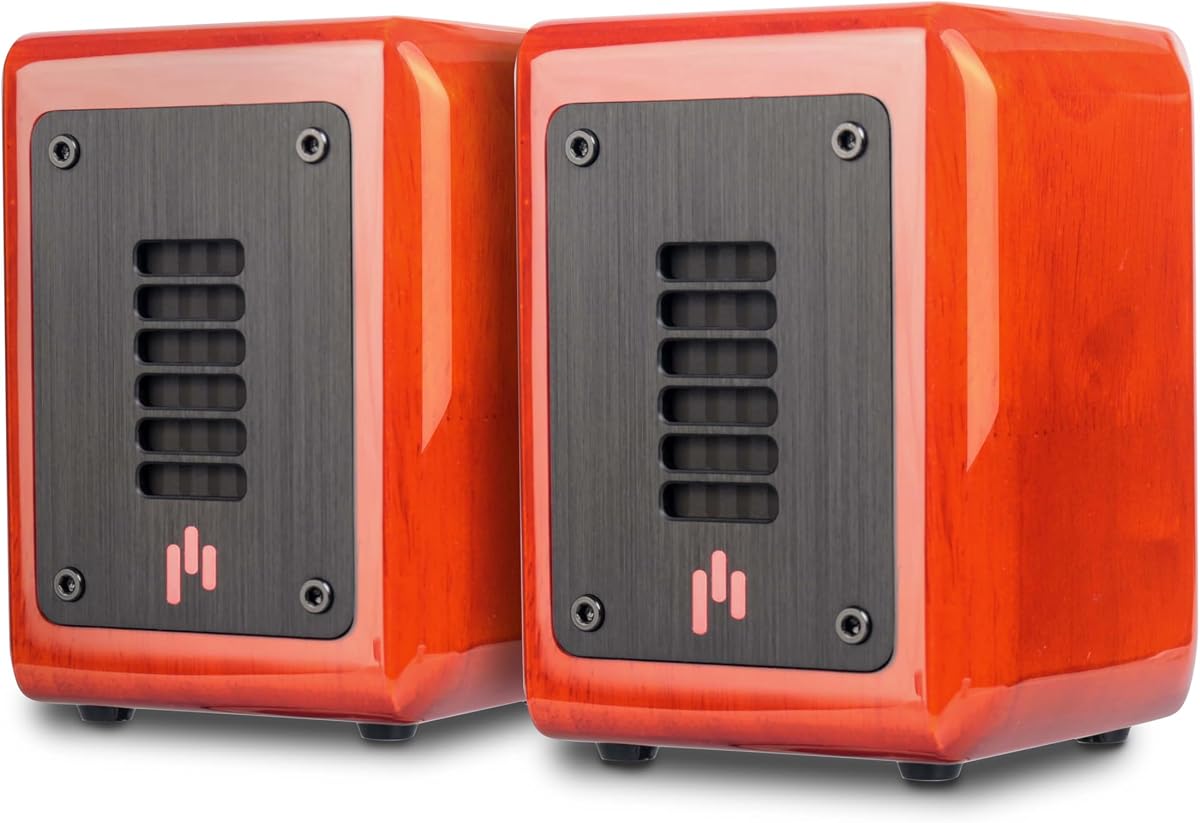
These planar-ribbon super tweeters add subtle high-frequency detail to home systems. The 4.0 rating reflects their specialized nature for high-end setups. They extend frequency response up to 40kHz for improved air and detail.
We may earn a commission when you buy through this link, at no additional cost to you.
They employ a high-pass filter with five preset crossover points for easy integration. Designed to reside on existing speakers they blend seamlessly with many brands. The planar magnetic design handles highs delicately without harshness.
Note efficiency compatibility as they work best with 85 to 93 dB speakers. They are not designed to be extremely loud but add air to the upper register. This makes them a supplement not a replacement for main tweeters.
Ideal for audiophiles seeking ultra-high-end response. They suit home theater or stereo setups. Use this to extend frequency response and add subtle dynamic boost to your audio field.
Super tweeters reach frequencies beyond standard tweeters. This adds subtle air and detail to the highest register that enhances realism in your music.
Planar magnetic design blends with existing speakers. This ensures a natural transition between drivers without distracting colorations or tonal shifts.
We may earn a commission when you buy through this link, at no additional cost to you.
This passive crossover supports powerful home theater or music listening rooms. Its 3.6 rating indicates mixed results but solid capacity for high-power setups. It handles up to 400 watts ensuring reliable operation under heavy load.
We may earn a commission when you buy through this link, at no additional cost to you.
Four-way design splits signals into low and high bands for separate drivers. Solderless terminals make installation quick without complex soldering. A customizable routing switch allows tailoring sound to different speaker preferences.
While it offers great value and power handling, fixed frequency points limit tuning flexibility. Impedance compatibility ensures seamless integration with existing audio equipment. The oxygen-free copper inductors optimize circuit stability.
Best for home theater setups needing robust power handling. It simplifies passive signal routing. Use this to transform your living space into a concert hall with lossless audio experiences.
400W capacity manages high power levels easily. This ensures the crossover remains stable and undistorted even during intense movie soundtracks or music playback.
Solderless terminals allow plug-and-play setup. This eliminates complex soldering and speeds up installation for users without prior technical experience.
We may earn a commission when you buy through this link, at no additional cost to you.
The Taramps Crx4 is a compact electronic crossover ideal for car audio processors. Its 4.5 rating highlights its effective sound adjustments in limited space. It handles four channels to manage multiple speaker zones efficiently.
We may earn a commission when you buy through this link, at no additional cost to you.
Customizable sound adjustments let you tailor audio to vehicle acoustics. Compact dimensions allow fitting in tight compartments. The 8 Volts RMS rating ensures stable operation in standard car electrical systems.
Bass boost features add impact to low frequencies. However, documentation may require research for complex setups. It balances functionality and size well for mobile audio enthusiasts.
Buy if you need a small processor for car systems. It offers solid features for compact installs. Use this to adjust sound and boost bass in a vehicle audio setup.
Small dimensions allow flexible mounting. This ensures the unit fits discreetly within vehicle compartments without interfering with other components.
Customizable adjustments optimize vehicle acoustics. This allows you to tweak tone and balance for your specific car interior environment.
We may earn a commission when you buy through this link, at no additional cost to you.
The Behringer Super-X Pro offers professional features at an accessible price. Its 3.9 rating reflects robust performance for budget-conscious buyers. It provides precise frequency separation with state-variable Linkwitz-Riley filters.
We may earn a commission when you buy through this link, at no additional cost to you.
Limiters per output protect speakers from overdriving. Switchable equalization for constant directivity horns improves horn integration. Subsonic filters per input protect low-frequency drivers from damaging frequencies.
Setup requires reading manuals due to complex controls. But summed amplitude response ensures zero phase difference. This makes it suitable for PA systems needing reliability without high cost.
Buy if you need professional specs on a budget. It suits small venues or installed systems. Use this to get precise frequency separation with robust speaker protection features.
Limiters and subsonic filters safeguard speakers. This prevents costly damage from over-amplification or damaging low frequencies during heavy operation.
Zero phase difference ensures accurate sound. This guarantees that summed output maintains flat amplitude response across the spectrum.
We may earn a commission when you buy through this link, at no additional cost to you.
Choosing the right active crossover involves evaluating several technical factors that influence sound quality and system integration. This section details key considerations to help you narrow down the options based on your specific audio needs.
Filter slope determines how sharply the crossover blocks frequencies outside its designated band. Steeper slopes like 24dB/octave prevent overlap between drivers more effectively than gentler ones. The filter type, such as Linkwitz-Riley, affects phase coherence and summing behavior between speakers.
Look for steeper slopes if your drivers have overlapping response ranges. This ensures cleaner separation and minimizes distortion in the crossover region.
Connectivity types like XLR or RCA impact signal quality and cable length capabilities. Balanced XLR connections reject noise better than unbalanced RCA, making them ideal for long runs. Ensure the crossover has the correct input/output configuration for your amplifiers and source components.
Prioritize balanced inputs if your setup involves long cables. This maintains signal integrity and reduces hum or interference in your audio path.
Adjustable crossover points and independent level controls provide precision tuning. Models with phase invert switches help align drivers for coherent sound. Remote controls or front-panel displays simplify adjustments during setup or live operation.
Ensure the unit offers the level of control needed for your speaker configuration. Adjustable controls are essential for fine-tuning to your room acoustics.
Active crossovers often include limiters or equalization features. Limiters protect speakers from overdriving during high-volume playback. Equalization can correct speaker response issues for a flatter frequency curve across the listening range.
Look for built-in protection features if your system pushes high power. These safeguards prevent damage and ensure long-term reliability of your drivers.
Power requirements vary between models, especially for automotive versus home use. Ensure the crossover supports your system's voltage like 110V or 12V. Stable power delivery is critical for consistent noise-free operation over time.
Check voltage compatibility before purchasing. This prevents operational issues and ensures the unit runs safely within your existing electrical setup.
Rugged construction with durable chassis materials is vital for touring or installed systems. Quality components like thick PCBs and robust capacitors improve longevity. A solid build resists wear from temperature changes and handling.
Invest in models with high-quality internal components. This ensures reliable performance under stress and extends the lifespan of your audio gear.
Determine whether you need 2-way, 3-way, or 4-way functionality. Multi-way setups require more outputs and complex routing. Choose a model that supports your specific speaker configuration without requiring extra adapters.
Match the crossover channels to your driver count. This avoids underutilization or the need for additional units in your signal chain.
Solderless terminals and clear indicators simplify the installation process. Models with straightforward controls reduce setup time and confusion. Consider whether you need remote access for adjustments in hard-to-reach locations.
Select units with user-friendly interfaces if you plan to tune frequently. This saves time and reduces errors during configuration and maintenance.
Avoid placing the unit near heat sources to prevent component degradation over time. Regularly dust the chassis and check for loose connections in high-vibration environments. Following these steps keeps the crossover performing reliably for years of use.
Active crossovers split the signal before amplification and require separate amplifiers for each driver. Passive crossovers split the signal after amplification using internal components. Active types offer better control and efficiency for high-performance systems.
Yes, a crossover protects tweeters from low frequencies that could damage them. It ensures woofers handle only bass frequencies they are designed for. This improves clarity and extends the lifespan of your speaker drivers significantly.
Steeper slopes like 24dB/octave provide cleaner separation for overlapping drivers. Shallower slopes work if your drivers have distinct frequency ranges. Choose based on how precise your frequency split needs to be.
Balanced XLR inputs reject noise and interference better than unbalanced RCA. This is essential for long cable runs or noisy electrical environments. It maintains signal purity throughout the audio path to your amplifiers.
You can, but it requires disconnecting internal passive components and adding external amps. This upgrade increases complexity and cost. It is best reserved for systems needing higher power or better control.
A limiter prevents excessive signal levels from damaging your speakers. It acts as a safety valve to cap peak output at safe levels. This protects drivers from clipping and over-powering during loud music passages.
Active crossovers are preferred in car audio for precise tuning and efficiency. They allow separate amplifiers for subs and mains to maximize power. This setup delivers cleaner sound in the challenging car environment.
Calibrate whenever you change speakers or move the listening environment. Regular checks ensure phase and levels remain aligned over time. Recalibrate if you notice bass cancellation or tonal imbalance in your sound.
Remember to check current prices and availability since these can change frequently. Verify compatibility with your existing gear before purchasing to ensure a seamless integration and optimal performance for your audio setup.