
Askar 71F Flat-Field Telescope
4.9Editor score
Quadruplet air-spaced APO
Lightweight 2.5kg design
Self-flattened optics
This guide compares the top Apochromatic Refractors for astrophotography and visual astronomy, detailing optical performance, portability, and value for every
Apochromatic refractors represent the pinnacle of optical clarity for serious astronomers. These telescopes use specialized glass to eliminate color fringing, delivering crisp images of deep sky objects. Whether you are imaging nebulae or visualizing planets, an APO offers unmatched contrast and sharpness.
We have evaluated ten leading models based on optical design, build quality, and versatility. Our selection includes triplet and quadruplet configurations from trusted brands like SVBONY, Explore Scientific, and Askar. Each entry balances performance with portability for diverse observing needs.
Each pick highlights key strengths and potential limitations to help you choose wisely. Prices fluctuate frequently due to market demand and inventory levels. Always verify current listings before purchasing to ensure you secure the best deal available today.
4.9Editor score

4.5Editor score

5.0Editor score
The following table provides a side-by-side comparison of all ten selected models. It highlights aperture sizes, focal ratios, and key optical features to help you quickly identify the best fit for your observing style and equipment needs.


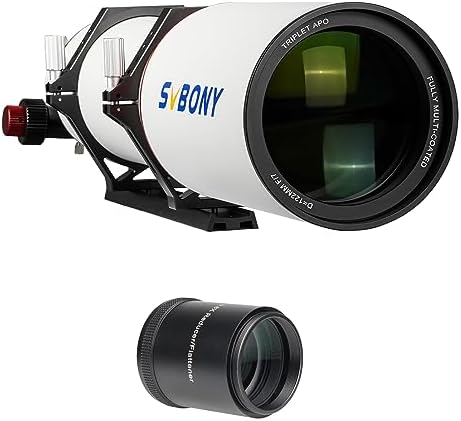


This SVBONY SV550 AP0 telescope stands out as a premier choice for visual and imaging enthusiasts. With a 4.5-star rating, it delivers high contrast views essential for deep sky work. Its triplet design ensures crisp stars across the field.
We may earn a commission when you buy through this link, at no additional cost to you.
The optics feature S-FPL51 low-dispersion glass paired with correction elements to minimize chromatic aberration. This results in bright images free of blue halos. The air-spaced triple design further enhances clarity for galaxies and nebulae.
While highly capable, it requires a sturdy mount due to its weight. The focuser is robust but may need adapters for specific camera sensors. These are minor trade-offs for the optical quality provided.
Anyone seeking a reliable 80mm APO for travel or permanent setup will find this excellent. It balances performance and portability well. We recommend it for serious astrophotographers needing consistent results.
The triplet design with ED glass eliminates color fringing effectively.
Magnesium alloy reduces weight while maintaining durability for transport.
We may earn a commission when you buy through this link, at no additional cost to you.
The Askar 71F offers exceptional value for budget-conscious photographers. Rated 4.9 stars, it features a quadruplet air-spaced design. This ensures flat fields without extra optics, saving time and money.
We may earn a commission when you buy through this link, at no additional cost to you.
Its lightweight construction makes it ideal for backpacking to dark skies. The matte interior reduces stray light reflection significantly. You can rotate the tube easily for composition without twisting cables.
The main trade-off is the smaller aperture. While great for brighter targets, very faint galaxies might require longer exposures. Dew protection is basic, so a heater may be needed in humid climates.
This telescope is perfect for beginners or those needing a portable guide scope. It delivers professional quality at an entry-level price. We highly recommend it for travel astrophotography sessions.
Self-flattening lenses remove the need for separate flatteners.
Weighs only 2.5kg for easy transport to remote sites.
We may earn a commission when you buy through this link, at no additional cost to you.
This SVBONY bundle provides a complete solution for full-frame imaging. With a perfect 5.0 rating, it addresses common field curvature issues instantly. The included flattener ensures sharp stars across large sensors.
We may earn a commission when you buy through this link, at no additional cost to you.
The OTA features extreme light extinction measures with multiple barriers. This minimizes internal reflections for cleaner images. The magnesium focuser supports heavy camera loads without flexure.
While the cost is higher, the included accessories save money elsewhere. The weight may be challenging for portable setups on small mounts. However, image quality justifies the investment for serious users.
This kit is ideal for users with DSLR cameras seeking wide-field views. It removes the guesswork from back focus calculations. We endorse this for its reliability and imaging precision.
Designed to support 45mm target surfaces easily.
Light barriers inside the barrel prevent stray light.
We may earn a commission when you buy through this link, at no additional cost to you.
The SVBONY SV550 122mm offers significant light gathering in a compact form. It is designed for travel yet captures faint deep sky objects well. The FPL-51 triplet ensures clear and sharp detail.
We may earn a commission when you buy through this link, at no additional cost to you.
A built-in handle makes transport easier despite the weight. This helps when moving between sites quickly. The high limiting magnitude allows observation of fainter nebulae than smaller apertures.
Due to its size, it requires a sturdy equatorial mount. The price reflects the larger glass and complexity. However, performance rivals much heavier scopes of similar aperture.
This model suits users wanting more aperture for visual and imaging work. It bridges the gap between portability and power. We suggest it for dedicated observers needing extra reach.
122mm aperture reveals details invisible to smaller scopes.
Integrated handle simplifies movement to observing sites.
We may earn a commission when you buy through this link, at no additional cost to you.
The SVBONY SV503 provides a robust 102mm aperture for detailed views. It balances visual and imaging needs effectively with ED glass. The field rotator aids precise framing without disturbing mounts.
We may earn a commission when you buy through this link, at no additional cost to you.
With 90mm of focus travel, it accommodates filter wheels and compressors. The aluminum hood blocks stray light efficiently. Coatings enhance transmission for brighter planetary details.
It is heavier than smaller refractors, requiring stable support. The focal length may limit wide-field options. However, planetary and cluster imaging remains excellent with this model.
This scope is suitable for users focused on higher magnification targets. It offers flexibility for various accessories. We recommend it for those needing focus range and stability.
360-degree rotator allows perfect camera alignment.
90mm travel ensures compatibility with accessories.
We may earn a commission when you buy through this link, at no additional cost to you.
This bundle combines a 122mm APO with reducer and flattener optics. The focal reducer expands the field of view significantly. It corrects curvature for sharp edges across the sensor.
We may earn a commission when you buy through this link, at no additional cost to you.
Ideal for large nebulae, it captures wider areas efficiently. The high rating reflects its optical quality and utility. It supports deep sky photography with enhanced framing options.
Setup requires careful measurement for spacing. This complexity may deter beginners. However, the results justify the effort for experienced imagers.
Recommended for users targeting large targets like Orion or Andromeda. It offers flexibility without buying separate optics. We suggest it for wide-field enthusiasts.
Focal reducer increases coverage of large targets.
Corrects field curvature for consistent edge sharpness.
We may earn a commission when you buy through this link, at no additional cost to you.
This kit bundles the SV550 122mm with essential accessories. It includes the reducer and flattener for prime focus work. The design supports deep sky photography out of the box.
We may earn a commission when you buy through this link, at no additional cost to you.
The handle simplifies transport to observing sites. Despite the weight, the optics are portable. The triplet design ensures color correction across the field.
You will need a robust mount to support this payload. The setup may take time to balance. But image quality is high for astrophotography.
Perfect for those wanting a ready-to-go imaging package. It minimizes the need for extra purchases. We recommend it for dedicated deep sky photographers.
Includes reducers and flatteners for immediate use.
Built-in handle aids moving the heavy OTA.
We may earn a commission when you buy through this link, at no additional cost to you.
This 80mm kit includes a special field flattener. It delivers wide-field sharpness for deep sky imaging. The triplet optics prevent color fringing effectively.
We may earn a commission when you buy through this link, at no additional cost to you.
It is excellent for bright Messier objects. The flattener improves edge quality for larger sensors. Portability is a key strength here.
Limitations include smaller aperture for faint objects. It works best with guided setups. But for nebulae and clusters, it performs well.
Suitable for travelers and beginners needing optics. It simplifies the imaging process. We suggest it for wide-field imaging needs.
Flattener corrects field curvature efficiently.
Ideal for portable observing trips.
We may earn a commission when you buy through this link, at no additional cost to you.
This bundle provides a 122mm APO with a guide camera. The 905C camera offers high sensitivity for autoguiding. It simplifies tracking for deep sky exposures.
We may earn a commission when you buy through this link, at no additional cost to you.
The mini guide scope aligns easily with the main tube. This package removes guesswork from guiding. The optics support high-quality imaging.
The guide camera has basic resolution. Advanced users might need upgrades. But it works well for standard tracking needs.
Perfect for those starting imaging with a complete set. It reduces initial hardware purchases. We recommend it for guided photography beginners.
Camera aids precise tracking during exposure.
Bundle covers main optical and guiding needs.
We may earn a commission when you buy through this link, at no additional cost to you.
The Explore Scientific ED80 is a classic choice for astrophotography. It uses genuine FCD1 HOYA glass for color correction. The air-spaced triplet ensures sharp, high-contrast images.
We may earn a commission when you buy through this link, at no additional cost to you.
Its retractable dew shield aids travel. The scope fits easily on smaller mounts. USA-based support adds peace of mind.
The focuser may be basic for heavy cameras. Upgrades are often necessary for imaging. Still, optics are highly rated for quality.
Ideal for observers wanting proven optical quality. It supports a variety of configurations. We suggest it for versatile visual and imaging.
FCD1 HOYA delivers exceptional color correction.
USA-based customer service for assistance.
We may earn a commission when you buy through this link, at no additional cost to you.
Selecting the right apochromatic refractor depends on your specific goals. Consider aperture, focal ratio, and accessories carefully. This guide explains key factors to ensure a wise investment.
Aperture determines light gathering ability and resolution. Larger apertures like 122mm reveal fainter targets but increase weight. For beginners, 70mm to 80mm offers a balance of performance and portability.
Choose aperture based on whether you prioritize deep sky visuals or travel convenience.
Focal ratio affects exposure times and field of view. Faster ratios like f/6 are better for wide-field imaging. Slower ratios like f/7 offer higher magnification for planetary details.
Match focal ratio to your desired targets to optimize imaging efficiency.
Apochromatic refractors use ED glass to reduce chromatic aberration. Materials like FPL-51 or FCD1 HOYA provide better color correction. Avoid doublets if you require high color fidelity.
Always look for triplet designs for superior color correction.
A smooth focuser is critical for precise focusing. Look for dual-speed racks that support heavy camera loads. Some models offer 360-degree rotation for framing flexibility.
Ensure the focuser handles your camera weight without flexure.
Back focus is the distance from the focuser to the sensor. Many flatteners require specific distances like 55mm. Verify your camera's sensor distance matches the telescope.
Check back focus requirements before buying accessories to ensure compatibility.
Bundles may include flatteners or guide scopes. These reduce extra costs but check quality. Some packages offer better value than buying separately.
Prioritize bundles that include necessary optics for your sensor type.
The OTA must match your mount capacity. Heavier scopes need sturdy equatorial mounts. Dovetail plates should be standard Vixen or Losmandy sizes.
Ensure your mount supports the telescope's weight to prevent tracking issues.
Prices vary from entry-level bundles to premium optics. Determine your spending limit and prioritize optical quality. Cheaper options may compromise on coatings or glass.
Balance cost with optical performance for long-term satisfaction.
Allow your telescope to cool down before observing. This prevents internal air currents from distorting images. Acclimatization improves clarity significantly.
Clean lenses only when necessary using a blower and soft brush. Avoid touching glass surfaces to prevent scratches. Store in a dry place to avoid dust.
Check collimation regularly by observing bright stars. Adjust if stars show asymmetrical patterns. Proper collimation ensures peak optical performance.
An apochromatic refractor uses three or more lens elements with low dispersion glass. This design minimizes chromatic aberration. It produces sharp, color-free images.
Yes, APOs are excellent for astrophotography. Their color correction ensures clean images. Many models include flatteners for full-frame sensors.
Apertures between 70mm and 80mm are ideal. They balance performance and portability. Look for lightweight materials like magnesium alloy.
Yes, especially for larger sensors. Field flatteners correct curvature at the edges. This ensures stars remain sharp across the entire frame.
Collimate by observing a bright star. If stars show asymmetric shapes, adjust the cell. Most refractors require minimal collimation due to factory alignment.
FPL-51 offers superior color correction. It reduces secondary spectrum significantly. It is often found in premium triplet designs for sharper results.
Yes, most support DSLRs with appropriate adapters. Ensure back focus matches the camera sensor. Use a flattener for full-frame compatibility.
Mount capacity varies. Most small APOs support up to 10 pounds. Always check manufacturer limits to avoid strain on the mount.
We reviewed ten top models ranging from compact 80mm to powerful 122mm APOs. Each offers unique advantages for visual and imaging needs. The SVBONY SV550 AP0 stands out for its balance of features.
Prioritize optical quality and back focus compatibility when purchasing. Ensure your mount can handle the payload. Consider bundles that include flatteners for better value.
Prices fluctuate based on market conditions. Check current listings before finalizing your order. Selecting the right tool ensures years of clear astronomical viewing.