
Radial Mix 2:1 2-channel Passive Mixer
4.8Editor score
Two channel passive mono summing
Simple two input one output design
Compact and durable build quality
This guide compares the top analog summing mixers for studios and live use, helping you find the perfect gear to enhance your audio workflow and sound quality.
Analog summing mixers bring warmth and depth to digital recordings by combining signals through analog circuitry. They are essential for producers seeking a more organic and cohesive sound in their final mixes without relying solely on plugins.
We evaluated ten top-rated models based on channel count, build quality, transformer design, and connectivity options. Our selection includes units from legendary brands like Neve, SSL, and Radial to cover various budgets and studio setups.
Each pick highlights unique features and performance traits to help you decide which mixer fits your specific needs. Please note that prices and availability may change, so check current listings before making a purchase decision.
4.8Editor score
4.5Editor score

4.7Editor score
The following table provides a side-by-side comparison of all ten selected mixers to help you quickly identify key specifications and features for your studio setup.




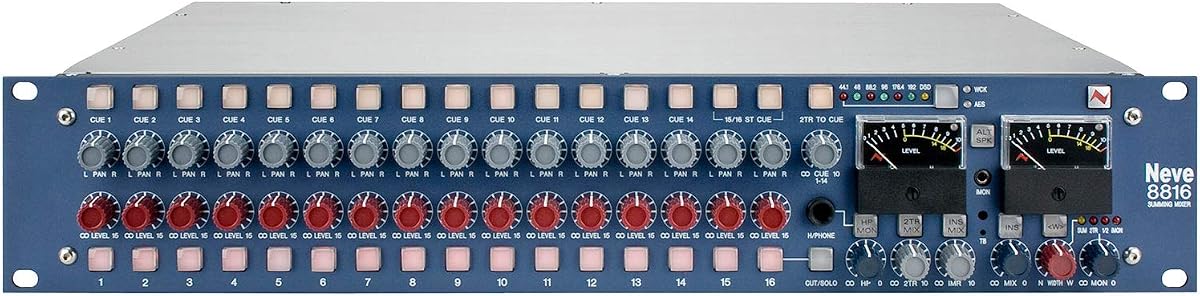
The Neve 8816 Summing Mixer stands out as a top choice for professionals seeking authentic analog warmth. Its reputation for delivering rich tonal character makes it a staple in high-end studios worldwide.
We may earn a commission when you buy through this link, at no additional cost to you.
This unit features a sixteen-channel summing and monitoring system that allows for flexible routing and precise control. The transformer-balanced analog design ensures minimal noise and maximum signal integrity throughout the mixing process.
While the cost is significant, the investment pays off through superior audio quality and durability. Some users may find the size challenging for smaller home studios, but the sound quality justifies the space.
Ideal for mastering engineers and producers who demand the best, this mixer elevates any digital workflow. Its legacy of excellence makes it a reliable centerpiece for serious audio production environments.
The transformer-balanced architecture reduces hum and interference, ensuring a clean signal path that preserves the nuances of your recording.
With multiple speaker outputs and dual headphone jacks, engineers can easily share mixes with clients or collaborators without breaking the flow of work.
We may earn a commission when you buy through this link, at no additional cost to you.
The Radial Mix 2:1 offers an entry-level solution for those wanting to experiment with analog summing without breaking the bank. Its passive design ensures reliability and ease of use for beginners.
We may earn a commission when you buy through this link, at no additional cost to you.
With two inputs and one mono output, this mixer simplifies your signal chain by combining signals directly. It is perfect for merging stereo feeds or combining instruments into a single track.
While it lacks active features like EQ or gain control, the straightforward functionality is a benefit for specific tasks. The compact size fits easily into any rack setup without demanding extra space.
Best suited for hobbyists or secondary studio setups, this unit provides a taste of analog summing at a fraction of the cost. It is a practical tool for specific routing needs in a digital workflow.
By avoiding active electronics, this mixer reduces potential points of failure and power requirements, making it a dependable tool for long-term use.
It excels in situations where you need to quickly combine signals from two sources, such as blending a stereo synth with a drum machine output.
We may earn a commission when you buy through this link, at no additional cost to you.
The Rupert Neve Designs 5059 Satellite Summing Mixer brings the coveted Shelford sound to modern studios. It is designed for those who demand the highest fidelity and tonal coloration in their mixes.
We may earn a commission when you buy through this link, at no additional cost to you.
Featuring a sixteen plus two plus two configuration, this mixer offers extensive flexibility for complex sessions. The analog summing architecture adds harmonic richness that digital plugins struggle to replicate authentically.
The premium build quality ensures long-term stability and performance, justifying the high investment for serious professionals. Users should be prepared for the physical size and the need for proper studio integration.
This unit is the ultimate choice for top-tier commercial studios aiming for a distinct sonic signature. It transforms a digital mix into a cohesive, warm master that stands out on any playback system.
The unique circuit design imparts a specific warmth and punch that defines the modern Neve aesthetic, making tracks sound larger than life.
With multiple bus options, you can route subgroups creatively to achieve complex parallel processing setups without cluttering your digital audio workstation.
We may earn a commission when you buy through this link, at no additional cost to you.
The Headliner R4 is a robust analog mixer designed specifically for DJ performance and control. It blends traditional analog warmth with modern features needed for live sound environments.
We may earn a commission when you buy through this link, at no additional cost to you.
Its four stereo channels feature gain controls and 3-band isolator EQs that provide precise shaping of the sound. The built-in filter allows for creative transitions and effects without needing external pedals.
The inclusion of genuine ALPS potentiometers ensures smooth operation and long-lasting durability even with heavy use. The aesthetic wood side panels add a touch of class to any DJ booth setup.
This mixer is perfect for DJs who prefer a tactile experience over digital touchscreens. While it is not a studio summing unit, it excels in live settings where reliability and sound quality are paramount.
The high pass and low pass filters with resonance control allow for dynamic sound shaping that keeps the energy flowing during live performances.
With both XLR and RCA connectors, you can easily interface with various sound systems and recording devices without worrying about compatibility issues.
We may earn a commission when you buy through this link, at no additional cost to you.
The Mackie Onyx Series combines analog warmth with digital convenience through its multi-track USB interface. It is an excellent choice for home studios that need both mixing and recording capabilities in one unit.
We may earn a commission when you buy through this link, at no additional cost to you.
With award-winning Onyx mic preamps and legendary EQ, this mixer ensures high-quality signal capture at the source. The ability to record directly to SD cards or via USB adds significant flexibility for workflow.
Users appreciate the Bluetooth streaming feature that allows for easy monitoring from mobile devices. While it offers a comprehensive feature set, the digital engine can be complex for beginners to navigate fully.
This unit is ideal for bands and podcasters who need a versatile interface for capturing multiple sources simultaneously. It bridges the gap between traditional analog mixing and modern digital production needs.
The mic preamps provide up to sixty decibels of gain, ensuring clean amplification of quiet sources without introducing noticeable noise or distortion.
Stream audio directly from your phone to a channel strip for instant playback of backing tracks or references during a recording session.
We may earn a commission when you buy through this link, at no additional cost to you.
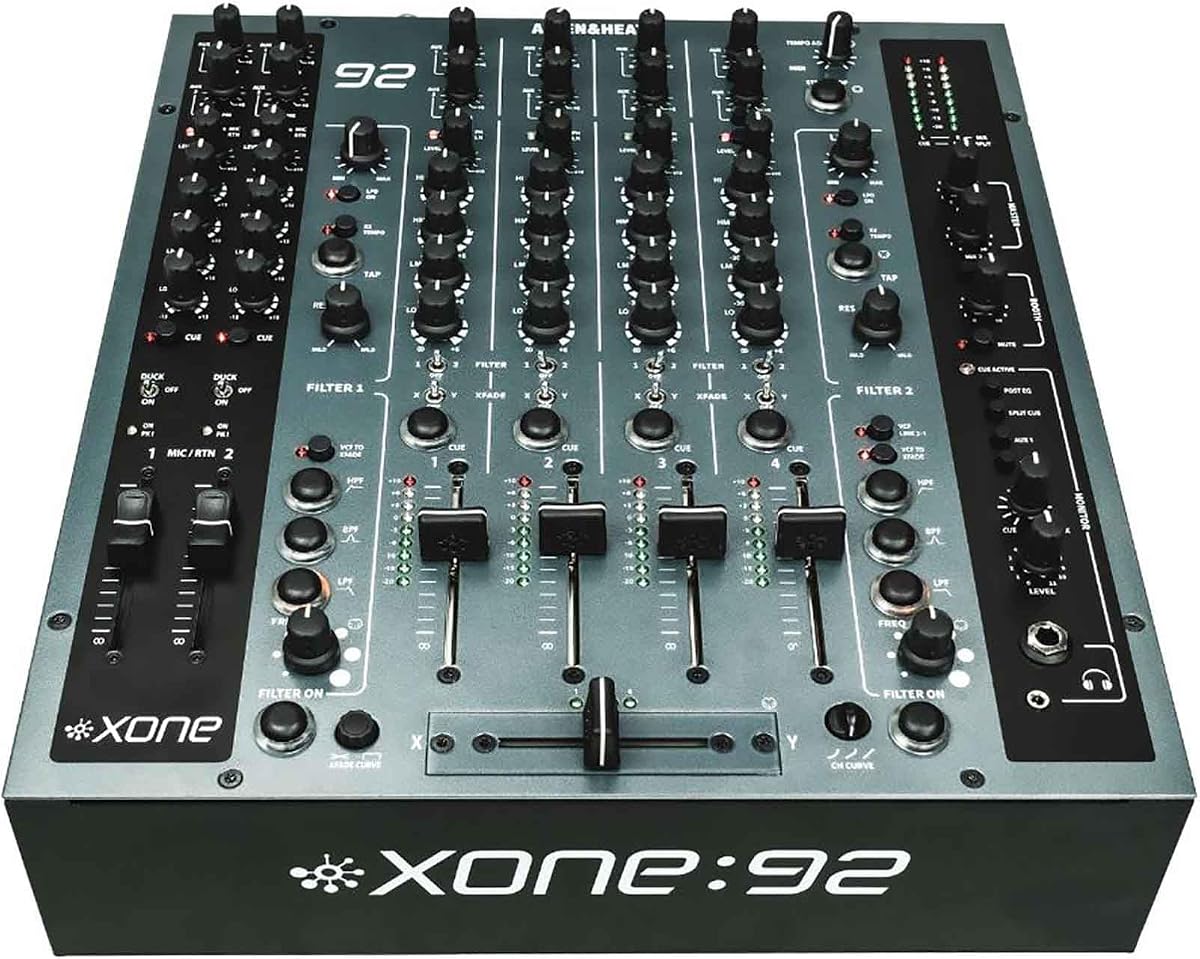
The Allen & Heath Xone:92 Mk2 is renowned in club environments for its smooth analog sound and powerful filters. It is designed for DJs who need precise control over their sound and dynamics.
We may earn a commission when you buy through this link, at no additional cost to you.
The VCF switching allows for complex filter modes that shape the frequency spectrum dynamically. With two multimode filters, users can create unique textures and transitions that define modern electronic music sets.
The build quality is robust enough to withstand the rigors of touring and frequent transport. While the feature set is extensive, it requires time to master all the routing options available in the mixer.
This mixer is a favorite for professional DJs who prioritize sound quality and tactile control. It delivers a rich, detailed audio experience that stands up to the most demanding PA systems.
The multimode filters offer low pass, high pass, and band pass options, giving you a wide palette for sound design during live sets.
The two stereo aux sends allow you to route tracks to external effects processors or monitors independently for greater control over the mix.
We may earn a commission when you buy through this link, at no additional cost to you.
The Allen & Heath Xone:43 delivers a high performance analog experience in a slightly more compact form factor. It retains the signature sound quality that fans of the brand love and expect.
We may earn a commission when you buy through this link, at no additional cost to you.
With a dedicated VCF system and individual dry/wet controls, you can integrate external FX units easily into your setup. The high quality build ensures that every knob and fader feels precise and responsive.
The Innofader compatibility allows for customization with other fader options, catering to different mixing styles. Users appreciate the clean sound path that maintains clarity even at high volumes.
This mixer is perfect for DJs who want premium analog performance without the bulk of larger club mixers. It is a reliable tool that balances portability with professional audio quality for various venues.
The send and return connections with individual level controls make it simple to use external reverbs or delays without cluttering your mix.
The individual dry/wet control per channel lets you apply effects selectively to specific tracks for dynamic and evolving soundscapes.
We may earn a commission when you buy through this link, at no additional cost to you.
The Mackie 1202VLZ4 is a workhorse mixer known for its reliability and sound quality at an accessible price point. It is a favorite for small studios and live sound applications due to its robust design.
We may earn a commission when you buy through this link, at no additional cost to you.
Featuring four Onyx mic preamps, this mixer ensures clean and low noise amplification for microphones. The wide gain range allows for handling both quiet and loud sources with ease.
With distortion levels below point zero zero zero seven percent, it maintains high fidelity across the frequency spectrum. The simple layout makes it easy to learn and use without needing a manual.
Ideal for budget-conscious producers and presenters, this unit provides professional results without unnecessary complexity. It stands as a testament to analog mixing done right with minimal features and maximum performance.
The circuitry is optimized for ultra-low noise performance ensuring your recordings remain clean and free from hiss even at high gain settings.
A remarkable dynamic range of one hundred twenty eight point five decibels ensures that you capture both the quietest whispers and loudest peaks accurately.
We may earn a commission when you buy through this link, at no additional cost to you.
The Solid State Logic BiG SiX brings the legendary SSL sound into a compact desktop console and interface. It is a comprehensive solution for hybrid production environments needing both analog warmth and digital connectivity.
We may earn a commission when you buy through this link, at no additional cost to you.
Its SuperAnalogue mic preamps and converters provide a sonic quality that rivals rack units costing much more. The eighteen input summing capability allows for a wide range of sources to be combined effortlessly.
The stereo master bus compressor adds a finishing touch that glues the mix together before it hits your DAW. Users praise the build quality and the thoughtful layout of controls that facilitate fast workflow.
This console is best suited for producers who want a central hub for their analog and digital workflows. It elevates the mixing experience with authentic hardware processing and seamless computer integration.
The unique circuit design delivers a warm and detailed sound that is characteristic of classic SSL consoles, adding richness to every track.
A built-in stereo compressor on the master bus helps to control dynamics and add punch to your final mix without needing plugins.
We may earn a commission when you buy through this link, at no additional cost to you.
The Yamaha MG10 is a reliable standalone mixer designed for small venues and entry-level studios. It offers a simple yet effective set of tools for clean sound without overwhelming complexity.
We may earn a commission when you buy through this link, at no additional cost to you.
Featuring studio-grade D-PRE preamps, it delivers fat and natural sounding bass with smooth highs. The one-knob compressors make it easy to add punch to vocals and instruments without tweaking multiple parameters.
The rugged metal chassis ensures durability against the bumps and knocks of transport. With phantom power and a high-pass filter on each channel, it covers the basic needs for mic and instrument inputs efficiently.
This mixer is perfect for beginners or small groups needing a straightforward solution for live or recorded audio. Its reputation for reliability makes it a safe choice for those starting out in audio production.
The inverted Darlington circuit design in the preamps provides low noise and high headroom, ensuring your signals remain clear and dynamic.
These allow for quick dynamics control with a single turn, making it easy to even out levels without deep technical knowledge.
We may earn a commission when you buy through this link, at no additional cost to you.
Selecting the right analog summing mixer requires understanding your specific studio needs and workflow preferences.
The number of channels determines how many tracks you can sum simultaneously. Larger studios might need sixteen or more channels to handle complex sessions while home studios may be fine with eight.
Choose a channel count that matches your typical project size to avoid buying more capacity than you need.
Transformers are crucial for the analog sound character. They provide isolation and color that digital interfaces cannot replicate. Look for units with high-quality transformers for a warmer tone.
Investing in a transformer-balanced mixer ensures better noise rejection and a richer audio quality for your mixes.
Consider how you will connect your mixer to other gear. XLR and RCA options vary by model and affect signal quality. Balanced connections are essential for long cable runs.
Ensure the mixer has enough inputs and outputs to accommodate your instruments and monitoring setup without needing additional patchbays.
Analog mixers are often moved between venues or racks so durability is key. Metal chassis and sturdy knobs indicate a longer lifespan. Look for well-engineered components.
A robust build ensures that your investment lasts for years of use without degrading performance or connectivity.
Some mixers include EQ, compression, or digital interfaces which add value. Decide if you want standalone summing or an all-in-one solution for your workflow.
Hybrid units might offer more versatility but can be more complex to learn and use effectively in a studio setting.
Established brands like Neve and SSL have decades of experience in analog design. Their units often come with a tonal signature that is sought after in professional recording.
Choosing a reputable brand ensures that the engineering meets high standards and supports long-term resale value if needed.
Analog mixers range from affordable units to high-cost consoles. Determine your budget early and balance cost against the features you truly need for your projects.
Higher price does not always mean better results so evaluate the specific benefits each unit offers before spending.
A good monitoring section is vital for mixing accurately. Look for features like speaker switching, dim, and cue systems to ensure you hear mixes clearly.
Prioritize mixers with clear and accurate monitoring capabilities to make better decisions during your production process.
Begin by routing your digital audio workstation outputs into the mixer's inputs using balanced cables to maintain signal integrity and reduce noise.
Set the faders to unity gain and adjust the trim or gain knobs to ensure levels are strong but not clipping the inputs.
For long term care keep the unit in a dry environment away from dust and use a soft cloth to clean the knobs and faders regularly.
An analog summing mixer combines multiple audio signals from a digital source into a single output using analog circuitry. It adds harmonic richness and depth that plugins often lack.
Analog summing provides a natural glue and warmth to digital recordings. It helps elements sit together better in a mix and enhances the perceived depth and space.
Yes typically you will need a multi-output audio interface to send your DAW tracks to the mixer inputs. Ensure your interface has enough physical outputs for your mixer channels.
Passive summing uses simple resistors to combine signals without gain while active summing uses amplifiers. Active units often provide more flexibility with gain control and EQ.
While possible DJ mixers are optimized for live performance not precise mixing. Studio mixers offer better channel separation and dynamics for recording applications.
Regularly clean the knobs and faders to prevent scratching. Keep the unit in a climate-controlled space to avoid moisture damage and ensure longevity.
For producers seeking a professional sound, it is often considered essential. However for hobbyists digital plugins may provide sufficient quality at a lower cost.
Some mixers include phantom power for condenser microphones. Check the specs to see if your unit supports it if you plan to mic instruments directly.
We reviewed ten top options ranging from budget-friendly units to high-end consoles for studios of any size.
Prioritize channel count and sound quality that aligns with your production style and future needs.
Prices change frequently so verify current listings before purchasing to ensure you get the best deal.